
Pillow, Finch and StressWatch: Premium Unlocked
Wellness is the category where subscriptions multiply fastest. Sleep tracking, stress monitoring, a habit journal, a singing coach — each one is five to ten dollars a month on its own, and none of them is worth that individually. Together they are a second phone bill.
Five of them this week with the paid tier already open. Where the unlock is genuinely the whole product, we say so; where it mostly buys cosmetics, we say that too.
Pillow
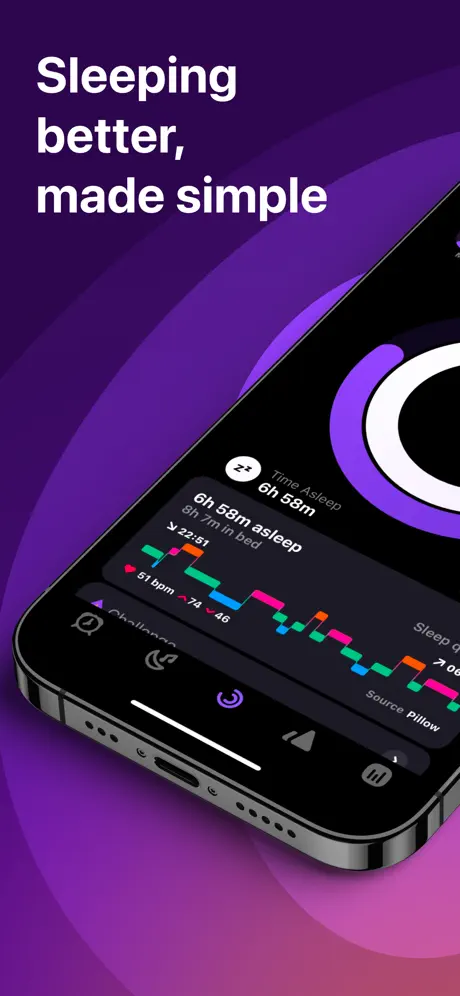
The most complete unlock in this batch. Pillow tracks sleep from an Apple Watch or the phone alone, and its subscription normally runs around $5–7 a month for the parts that make the data useful: unlimited sleep history, detailed stage analysis, heart-rate trends, audio recording and export.
That history limit is the one that stings in the free version. Sleep data is only interesting as a trend — a single night tells you nothing, and being able to see three weeks back is the entire point. Pillow also lets you choose between its own sleep-staging algorithm and Apple’s, which is a genuinely nice touch if you own a Watch and want to compare.
What’s unlocked: the subscription, so REM and deep-stage breakdowns, on-device audio recording, overnight heart-rate trends, powernap modes and smart alarms that wake you at the lightest point in a cycle.
StressWatch
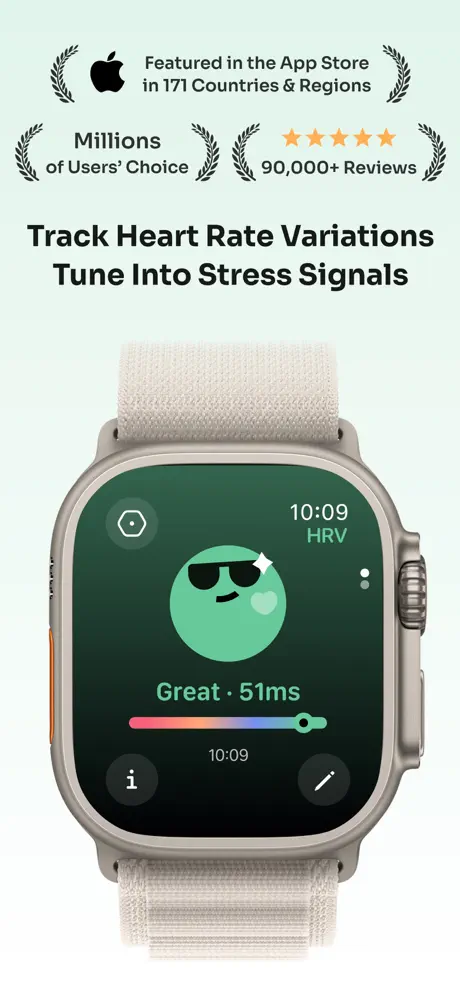
StressWatch reads HRV and resting heart rate out of Apple Health and turns them into a stress score, with over two million users behind it. Heart-rate variability is one of the few consumer metrics with real physiological grounding — it genuinely does drop when you are under load — so this is not a mood-guessing app.
The paid tier is where the history lives, and like Pillow, history is the product. A stress reading today means nothing without last month to compare it to.
What’s unlocked: subscription unlocked in version 3.3.0 — live stress levels, HRV readings, Apple Watch integration and the full weekly history instead of a rolling few days.
Finch
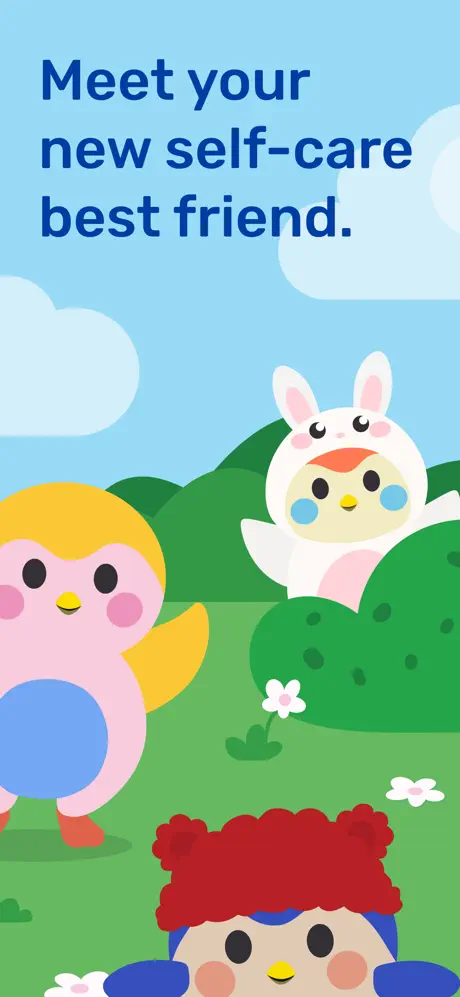
The self-care app with a bird you raise by doing things for yourself. It works better than it has any right to, largely because the pet reframes the whole thing — you are not logging a mood for a spreadsheet, you are feeding a creature that is counting on you.
An honest note on this one. Finch Plus is roughly $10 a month or £70 a year, but it is mostly cosmetic: extra outfits and customisation, seasonal event rewards, more soundscape and timer options, extra reflection prompts, no ads. The core self-care tools — mood check-ins, journalling, breathing exercises, goal tracking — are free for everyone. So the unlock here is real but smaller than the price tag suggests. Install it because Finch is good, not because the paywall was hiding the good part.
What’s unlocked: Finch Plus, so the full customisation set, the expanded exercise options and the ad-free experience. Restart the app once after installing if anything looks off.
SimplySing
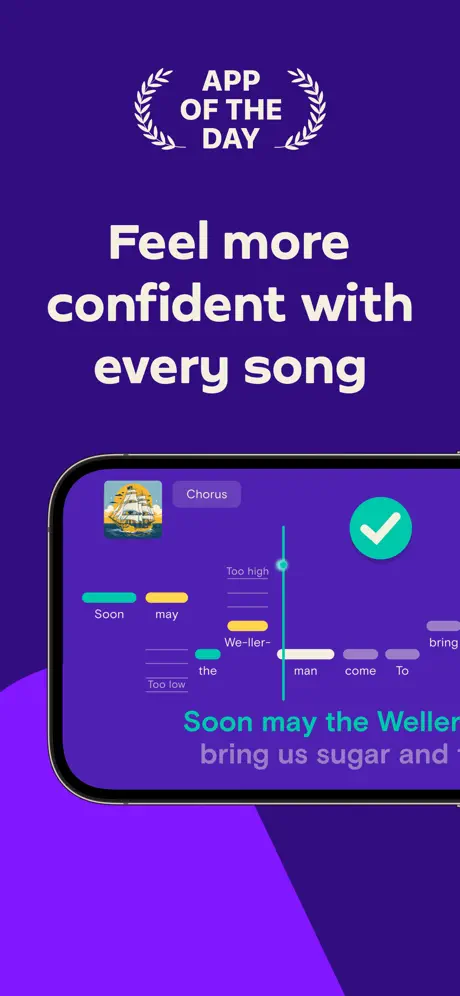
From the people behind Simply Piano, and built around one idea that separates it from ordinary karaoke: it works out your vocal range and transposes every song to fit it. Most singing apps hand you the track in the original key and let you fail at the high notes. This one moves the song to you.
The song book is the thing behind the subscription, which is exactly the wrong place to put it in an app whose whole premise is practice.
What’s unlocked: the subscription — full song library, real-time pitch feedback and the graded lessons. Log in with your account and restart the app once to activate; needs iOS 16 or later.
Motivation - Daily quotes
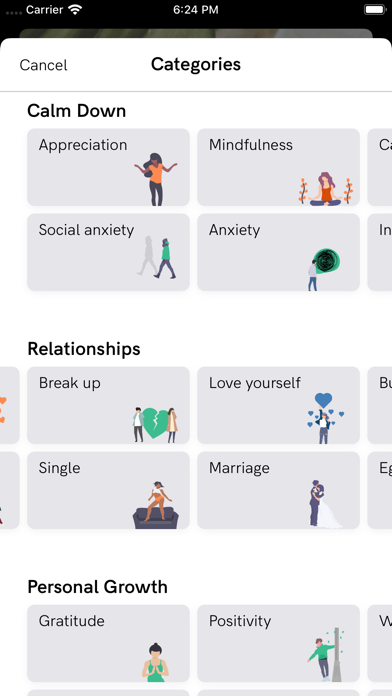
The simplest app here and the one most obviously degraded by its free tier: a quote on your lock screen, which is a feature that should cost nothing and instead comes with an ad wall and a cap on reminders.
What’s unlocked: the subscription — every quote theme, unlimited reminders, search across the full archive and no ads.
Which one to install first
Five at once is how you end up using none of them. They answer different questions, and only two of them earn a place on the home screen.
If you own an Apple Watch → Pillow, then StressWatch. These are the two where the unlock is the entire product rather than a convenience. Both run on data the Watch already collects, and both put the history behind the paywall — which is the part that makes physiological data mean anything at all. One night of sleep staging tells you nothing; three weeks of it tells you when you actually fall asleep. Same with HRV: a single reading is noise, the trend is the signal.
If you do not own a Watch → Finch. It needs nothing but the phone, and it is the one people are still using a month later, because the pet does the job streak counters usually fail at. The paid tier here buys breadth — more goals, more journalling, more customisation — rather than something you cannot live without, which also makes it the gentlest place to start.
SimplySing and Motivation are the extras. SimplySing matters if you actually sing: the pitch feedback is real, and the open library removes the reason most people quit in week one. Motivation is a quote app with an ad layer — pleasant, low stakes, and the unlock is mostly about not being interrupted.
A sane order: Pillow tonight, StressWatch tomorrow, Finch when you want the habit side, and the last two only if the paragraph above described you specifically.
Installing on iPhone
None of these builds are on the App Store. From builds.io:
- Open builds.io on the iPhone and sign in.
- Tap GET on the app you want.
- Open it — for SimplySing and Finch, restart once after the first launch.
No jailbreak and no computer. The first time you add a device, Apple runs a one-off processing step: most devices are ready within a day, some take up to three while Apple works through it. It happens once, not every install.
After that the build stays signed. It does not expire in seven days and you are not re-installing it every weekend — that is the difference between this and free-certificate sideloading, which we went through in why sideloaded apps stop working after 7 days.
Worth knowing
The unlocked build replaces the App Store version. If you already have Pillow or Finch installed from Apple, the tweaked one takes its place — export anything you care about first.
Health data stays in Apple Health. Pillow and StressWatch read from and write to Health the same way the store versions do; unlocking the paid tier does not change where the data lives.
Server-side features are always the boundary. Anything an app has to fetch from a paid account on the developer’s servers stays out of reach no matter what the client believes. In this batch that is barely relevant — sleep staging, HRV analysis and pitch detection all happen on the device — but it is the honest limit of any unlocked build.
Last week’s app digest covered Speechify, Busuu and Elevate, if learning tools are more your thing than sleep charts.