
Infinity Blade on iPhone, Eight Years After Apple Stopped Selling It
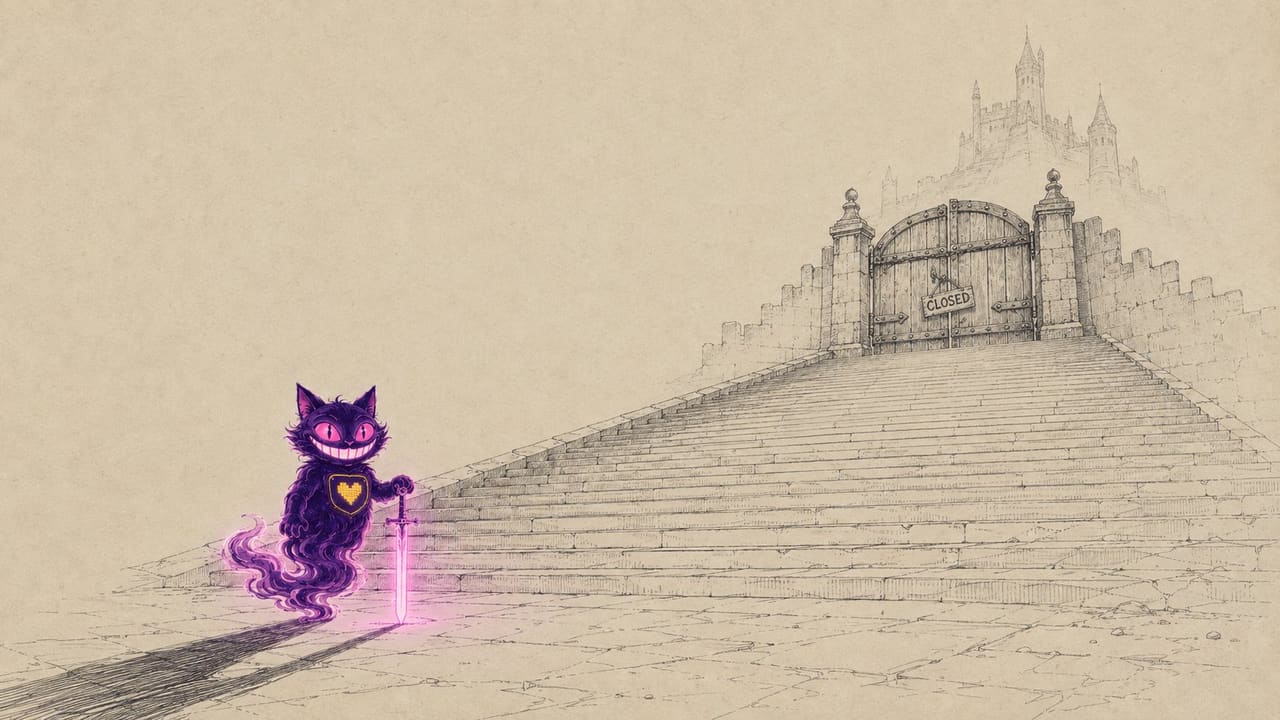
On 10 December 2018, Epic Games removed all three Infinity Blade games from the App Store. Not because of a legal fight or a licence expiring — the studio behind them, Chair Entertainment, had moved on to other work, and, in Epic’s words, supporting the series at their own standard had become increasingly difficult. Anyone who had already bought the games kept them. Everyone else lost the option to ever buy them.
That is a strange kind of disappearance. The game still runs. The files still exist. There is simply no longer a shop that will sell them to you.
Why this one is worth the trouble

In 2010 nothing on a phone looked like this. It was the first mobile game built on Unreal Engine 3, and the reaction at the time reads like hyperbole until you remember what else was on the App Store that year — IGN called it one of the defining iPhone games, Joystiq said you would not find a better console-level experience on the device. It took an Apple Design Award and better than twenty game-of-the-year awards.
But the visuals are not why people still talk about it. The combat is. You slash by drawing the arc with your finger, block by holding, dodge by tapping — no virtual stick, no buttons pretending to be a controller. It is one of the few action games ever made that feels like it was designed for a touchscreen rather than ported onto one.
And then there is the bloodline. You lose to the God King, because you are supposed to lose to the God King. Twenty years pass, your descendant walks back up to the same door with your gear and your knowledge, and tries again. Dying is the progression system. In 2010 that was startling; it is still the thing people describe first when they explain the game to someone who never played it.
The trilogy, briefly
- Infinity Blade (December 2010) — the original climb to the Dark Citadel.
- Infinity Blade II (November 2011) — bigger world, three fighting styles, the story past the God King.
- Infinity Blade III (September 2013) — two playable characters and the end of the arc.
All three went at once, and all three vanished the same way.
Installing it on iPhone today
The delisting is exactly the case sideloading exists for. There is no rights holder objecting to you playing it, no subscription being dodged, no in-app purchase being bypassed — Epic switched those off themselves. The game is simply unsold, and an IPA is the only remaining way in.
From builds.io:
- Open builds.io on the iPhone and sign in.
- Tap GET on Infinity Blade.
- Play. It is single-player and fully offline — no account, no store connection, nothing to sign into.
No jailbreak and no computer. Adding your first device triggers a one-time Apple processing step: usually done inside a day, up to three at the outside, and it happens once rather than per install.
After that the build stays signed. For this game specifically that matters more than usual: a free-certificate install dies on a seven-day clock, and unlike a modern app, there is no store page to reinstall from when it does. We went through the mechanics of that expiry in why sideloaded apps stop working after 7 days.
The bigger pattern
Infinity Blade is the famous case, but it is not a rare one. Games leave the App Store constantly — licences lapse, studios close, publishers decide a back catalogue is not worth maintaining — and when they go, they take every future install with them. The r/sideloaded thread that prompted this piece was someone asking a very specific question: not for mods, not for emulators, but for games that simply are not in the store any more.
That is a different motivation from wanting a paid feature for free, and it deserves saying plainly: the reason to sideload here is preservation. The alternative is not paying less. The alternative is not playing at all.
Sources: delisting date, Epic’s stated reason and the buyers-keep-access detail per MacRumors, 9to5Mac and TouchArcade.